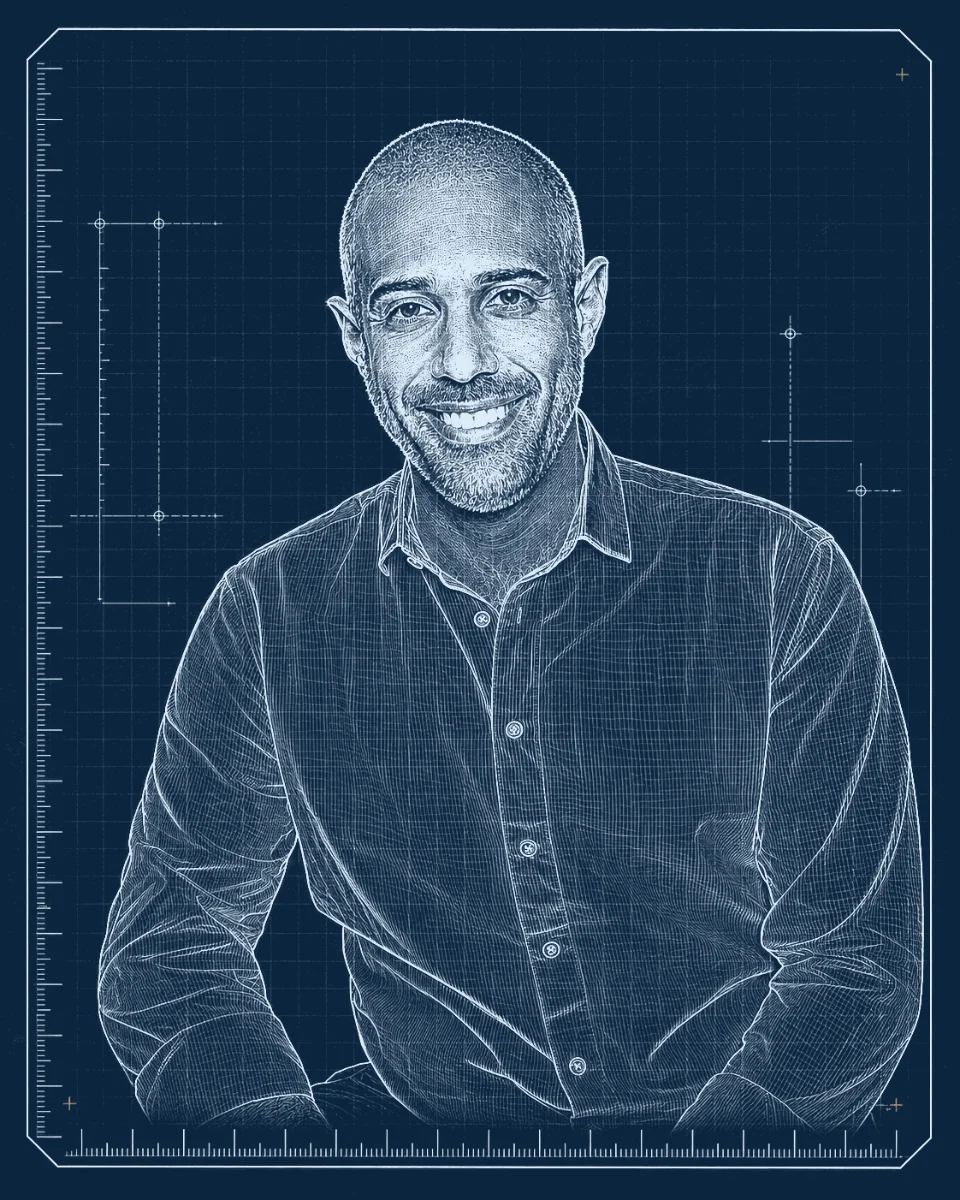
My name is Ofir Eliyahu, a project manager, organizational consultant and lecturer specializing in community development processes that integrate the use of technology. Over the past two decades I have led and guided local authorities, companies and nonprofits through change processes based on results-oriented thinking.
Out of this experience and ongoing learning I developed the Community Mechanics approach: a method that treats a community as a system made up of parts, mechanisms and ties. With it, strengths, barriers and opportunities can be identified, and tailored intervention processes can be planned.
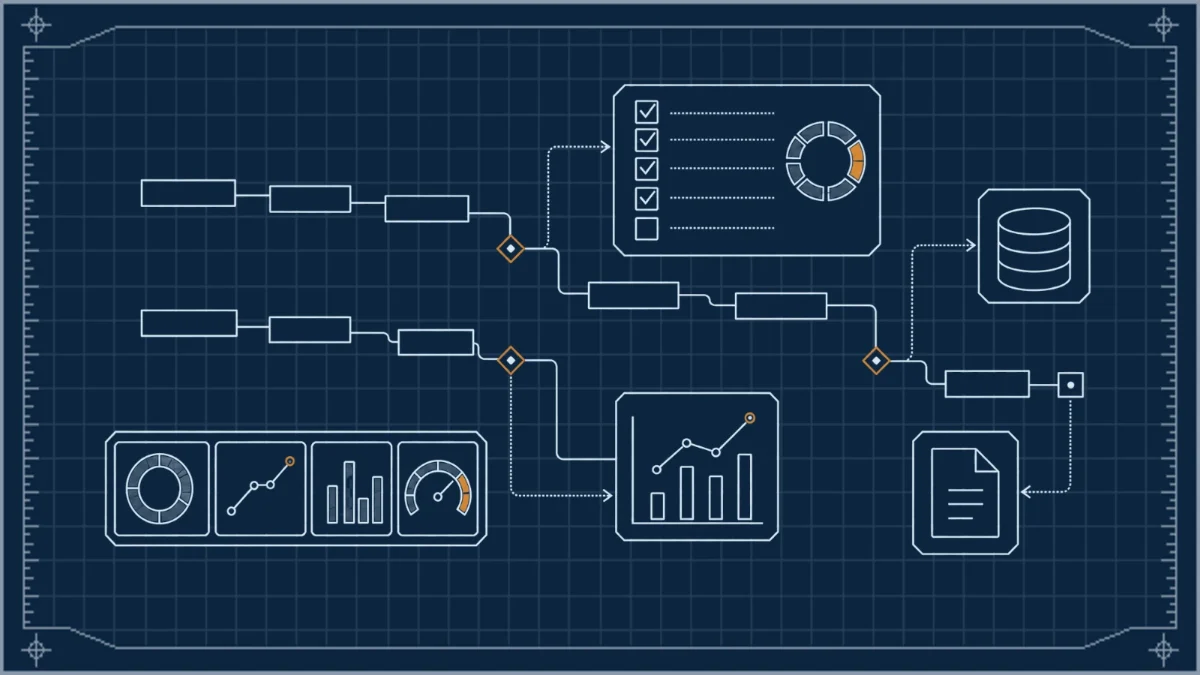
Alongside community expertise I have gained experience with technological tools: data-analysis systems, digital work environments, CRM systems, automations and AI tools, which allow an organization to manage information, stay in sync and make data-based decisions.
Combining an understanding of people and relationships, the ability to lead processes and a thoughtful use of technology allows me to turn goals into clear work processes, tangible outputs and change that can be measured and presented.
The four questions that guide me in every process
.01What is the goal of the organization or community?
How connected am I to the goal and how much do I believe in it? Do I have the tools and experience needed to advance it? Is the goal defined and measurable? And is the organization or community ready for a process that will lead to achieving it?
.02Which social structure will help the organization or community achieve its goals?
Is the existing social structure optimal for achieving the goals? Do the division of roles and the ties within the organization or community serve them? And are the key clients, beneficiaries and partners involved in a way that will move the organization or community toward its goals?
.03Which technological tools will help the organization or community achieve its goals?
Do the existing technological tools in the organization or community meet their needs? Should the use and syncing of existing tools be improved, or are new tools needed? And does using them make work and information management more efficient and support data-based decision-making?
.04How will we know the organization or community has achieved its goals?
Is there ongoing measurement of activity and results in the organization or community? Which measures and interim outputs are needed to track the intervention process? And which outputs will indicate its success?
Youth movement, group life, kibbutz, and urban and political community activity. A period in which I experienced how a community can empower its members and allow them to shape the environment they live in.
2013–2016
From data to action
An internship at the Public Defender’s Office and work as a lawyer and economic investigator at the Official Receiver. A period in which I learned to analyse data and complex information, build legal arguments, create partnerships and lead investigation cases.
2017–2024
Motivation, measurement and impact
Managing volunteers at a nonprofit and working as a senior project manager at the Tel Aviv Municipality. A period in which I learned to recruit and motivate volunteers, lead a community and build data strategies and impact measurement.
2024–2026
Community, technology and consulting
Project management at a business company, organizational consulting (digitization) and teaching in the field of communities. A period in which I deepened my work on matching technology and AI tools to organizational and community needs, leading change processes and training.
The approach I developed
§03 · FROM FIELD TO METHOD
Over the years I have been, and still am, part of communities: as a participant, as an organizer, and later also as a mentor to community organizers. Out of this experience I sought to understand how people come together into a social structure and act together for a shared goal: what drives the shared action, what holds it back, and which processes and tools can strengthen it.
From the connection between field experience, the professional literature and the ability to analyse complex systems, I developed the Community Mechanics approach: a way that likens a community to a machine and makes it possible to examine it as a system made up of parts, mechanisms and ties. The approach makes it possible to identify strengths, barriers and opportunities, and to translate the diagnosis into an action plan and practical tools.
Since then it has served me as a central tool in diagnosing, planning and guiding community and organizational processes.
Guiding community-mapping processes at the neighbourhood and area level, public participation, community development and implementing digital work systems.
.02
Nonprofits and social impact organizations
Sharpening identity and goals, recruiting and motivating activists, building an annual action plan and measuring results and social impact.
.03
Companies and businesses
Developing brand and product communities, ambassador programmes and feedback loops; matching platforms for managing work, information and customers, automations and AI tools.
How we will work together
§05 · SERVICE ENTRY POINTS
Depending on the organization’s need and the nature of the challenge, we can work together in three ways.
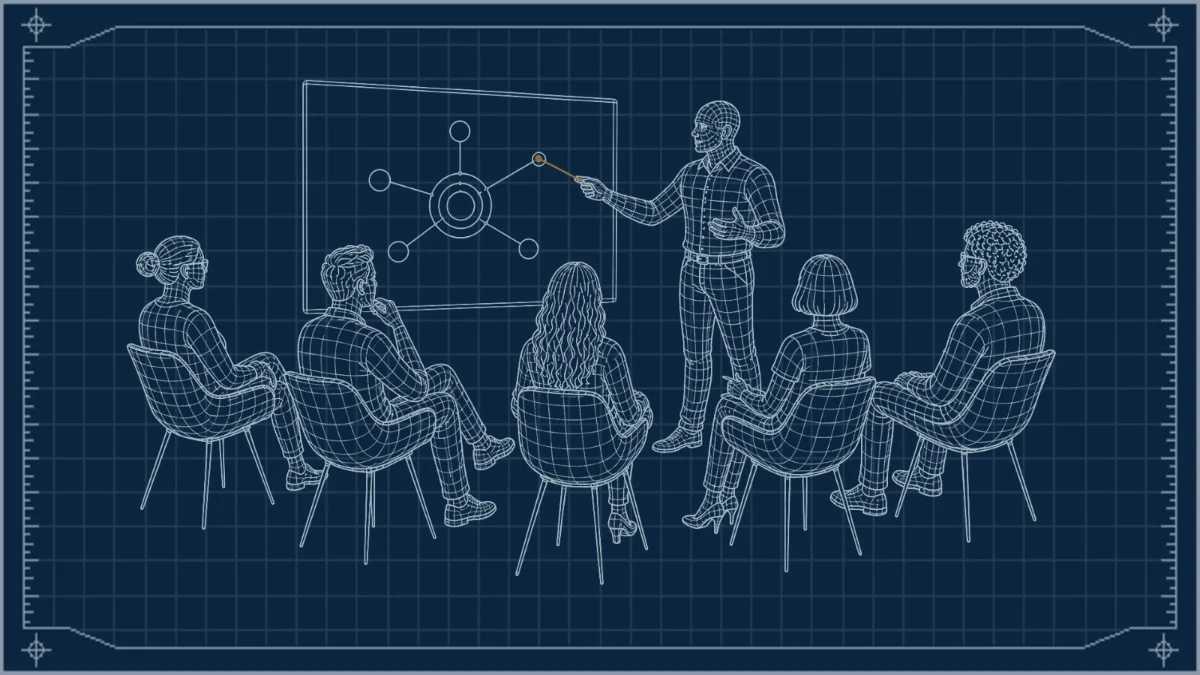
Imparting language, knowledge, methodologies and practical technological tools to teams, communities and organizations.
What people who have worked with me say
§06 · REFERENCES
REF-01 / 2026
“Ofir managed the specification stage of the digitisation process at HaMishlama, in which the organisation’s needs were mapped and a comprehensive document was produced. The document served as a central working basis, created a shared language among the partners to the process and helped significantly increase the project budget. We warmly recommend Ofir Eliyahu for projects in digitisation, building managerial infrastructure and guiding complex organisational processes in the public and organisational sectors.”
Shahar ExmitDirector of Planning and Promotion of Strategic Programmes and Initiatives, HaMishlama LeYafo
Contact
§07 · CONTACT
Do you have a community or organizational challenge, a process that needs thought and guidance, or a need for a lecture or workshop? I would be happy to hear, think together and see how I can help.